Do you want to grab attention to drive more sales and maximize your profit? For a moment, forget about what you sell and find out how you make your customers feel. Human psychology is key to customers’ buying decisions. Using the right psychological trigger hooks in your message can influence customers to take action without them even realizing why.
These triggers help you create a sense of urgency and scarcity. You can win customer trust and make emotional connections with the right psychological hooks. Psychology not only skyrockets conversions but also increases customer loyalty and adds effectiveness to your marketing efforts.
In our ultimate guide below, we share 82 powerful psychological trigger hooks that help businesses to boost sales and influence consumer behavior. They are must-have tools for any marketer, entrepreneur, or business owner. When used alongside the Entrepreneurial Operating System (EOS), these strategies can help you craft irresistible messages that align with your vision, engage the right people, and drive real traction with your audience.
Wait! That’s not all. At the end of this article you’ll find a bonus section packed with social media tips. Amplify engagement and turn casual scrollers into paying customers with our result-oriented social media strategies.
Let’s get started to unlock the science of persuasion and turn psychological insights into real profit.
82 Psychological Trigger Hooks to Influence Buyers and Maximize Profit
Loss Aversion Hooks
Loss aversion is one of the powerful psychological trigger hooks in sales as it infuses fear of losing more than value gaining among the target audience. Multiple studies suggest that buyers take action when they feel like missing out on a deal, a product, or an opportunity.
You must use this principle and frame offers to highlight potential loss rather than just benefits. Use phrases like “Only a few left in stock,” “This deal expires soon,” or “Prices increase after midnight.” It creates a sense of urgency and pushes hesitant buyers to act immediately.
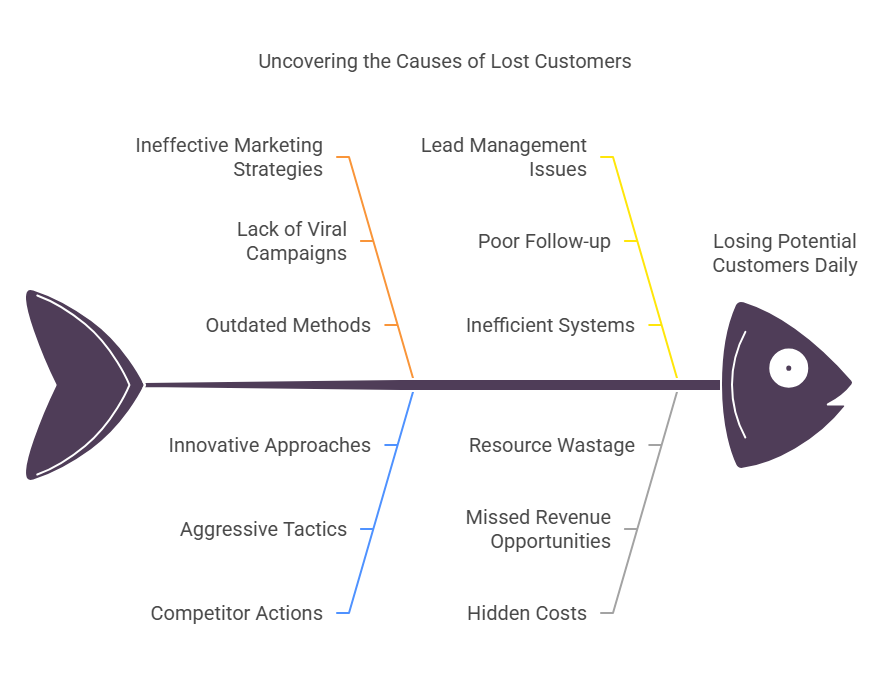
- You're losing [INSERT NUMBER HERE] potential customers every day without this
- Stop throwing away leads (this fixes everything)
- Your competitors are stealing your customers using this method
- The hidden cost of not running viral campaigns (shocking numbers)
Social Proof Triggers
Social proof triggers the psychological tendency of a customer to follow the actions of others. When buyers are in uncertain situations and see that others trust a product, service, or brand, they feel more confident in making a purchase. Leveraging social proof effectively can significantly boost trust and conversions, especially during a product launch, when building credibility quickly is essential.
Post customer testimonials, expert endorsements, user-generated content, and “bestseller” labels on your social media accounts. It creates a sense of reliability and desirability.
Another effective way is to post something like “Join 10,000+ Happy Customers” or “As Seen on [Major Media Outlet].” It will reassure your potential buyers that they are making a smart choice.
Send real-time notifications to your target customers, saying, “John from New York just purchased this item,” or showcase high product ratings and reviews. Use influencer recommendations and case studies to engage better with your social media followers.
Social proof as a psychological trigger hook strengthens trust and credibility. For example, a restaurant can display “Voted #1 by Locals,” and an online course might claim that “95% of Students Recommend This.” It will help reduce doubt, increase conversions, and drive higher profits.
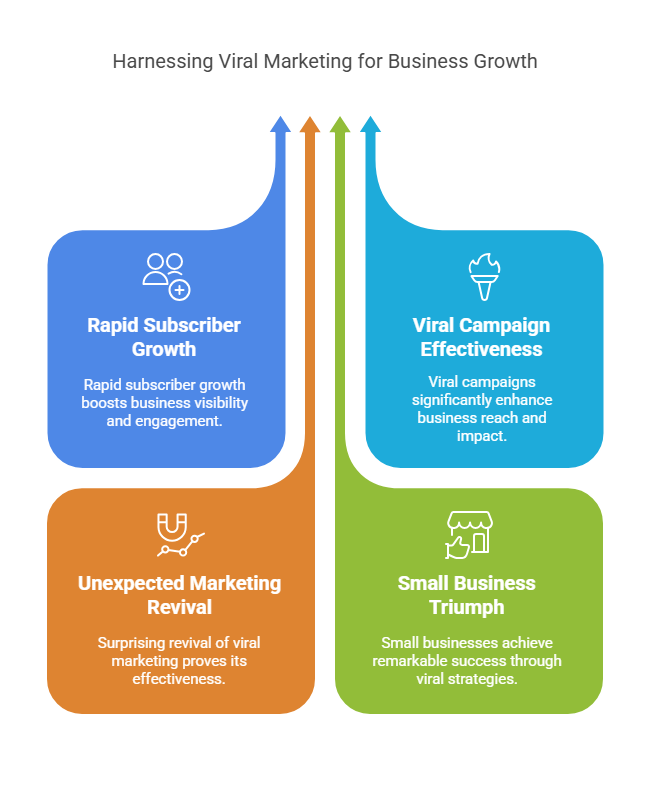
- 3,100+ subscribers joined in 14 days (here's the exact method)
- Why 89% of successful businesses use viral campaigns now
- I thought viral marketing was dead until I saw these results
- Watch how this small business got 10,000 shares overnight
Reciprocity Hooks
The reciprocity principle works on a simple psychological rule: when someone offers something valuable, we feel compelled to give back. Marketers use this principle in sales and consumer psychology by offering freebies, exclusive content, or personalized discounts.
It builds goodwill and encourages conversions. Effective ways to implement reciprocity hooks are offering free trials, limited-time bonuses, and value-packed lead magnets like e-books or webinars.
Offer your potential buyers something beneficial upfront, and they would reciprocate by making a purchase or staying loyal to your brand. You can provide “free shipping on your first order” or offer a “complimentary consultation” to potential clients.
Create a sense of obligation and nudge your customers closer to buying. Surprise them with small gifts or exclusive VIP perks to ensure long-term engagement and repeat purchases. A coffee shop can offer a free drink over a couple of visits, or an e-commerce store can share a small thank-you gift.
Reciprocity trigger hooks are best to drive trust, boost customer satisfaction, and increase profits.
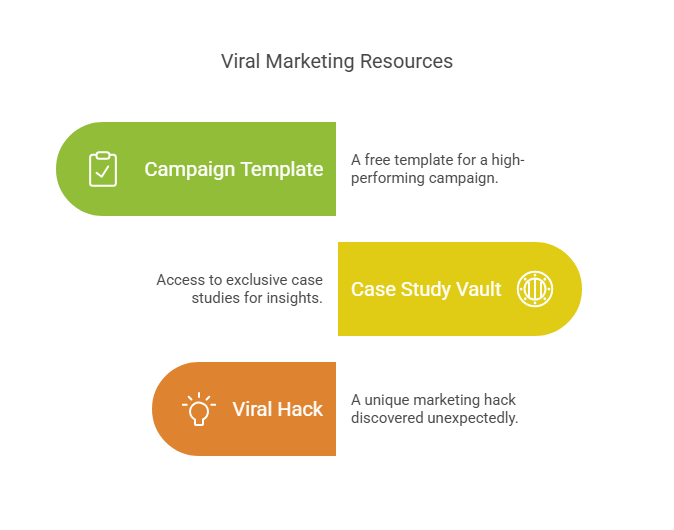
- $997 viral marketing blueprint
- Get our best-performing campaign template (free for 24h)
- Unlock our private case study vault (normally reserved for VIP clients)
- The viral hack we discovered by accident (sharing it here first)
Cognitive Bias Triggers
Cognitive bias takes advantage of people's mental shortcuts when they make decisions. It convinces them to act impulsively. Buyers perceive value, urgency, and trust in a product or service with such psychological trigger hooks.
Anchoring bias tricks consumers to rely heavily on the first piece of shared information. Show them a higher “original” price before offering a discounted one. It will make the deal seem more attractive.
The confirmation bias principle says shared information must align with customers' existing beliefs. Highlight customer reviews and mention similar pain points or needs.
Another powerful cognitive bias in sales is the bandwagon effect. It makes people follow what others are doing. Say something like, “Thousands have already signed up—don’t miss out!” and create the scarcity effect. It will make limited-stock or time-sensitive offers feel more valuable.
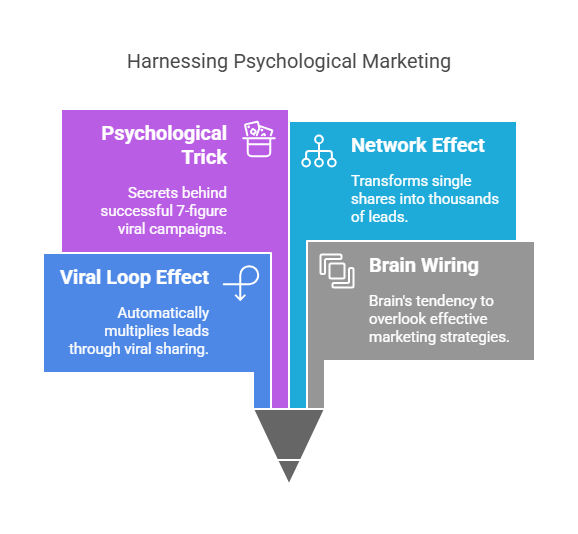
- The "Viral Loop Effect" that multiplies your leads automatically
- Why your brain is wired to ignore the most effective marketing strategy
- The psychological trick behind 7-figure viral campaigns
- The "Network Effect" that turns 1 share into 1000 leads
FOMO Psychology
You should also use FOMO marketing strategies to make customers feel that others are already taking advantage of an offer. Use social media proof and scarcity marketing tactics to offer limited-time discounts or exclusive access. When paired with customer segmentation, these strategies become even more effective, allowing you to tailor urgency-driven messages to specific audience groups based on their behavior and buying patterns.
FOMO psychology not only increases perceived value but also speeds up decision-making. Display a countdown timer on your website or send an email saying, “Final Call: Don’t Miss Out.”
Offer a subscription service, saying, “Lock in Your Price Before It’s Too Late.” Psychological trigger hooks like this are essential for maximizing conversions and driving profits.
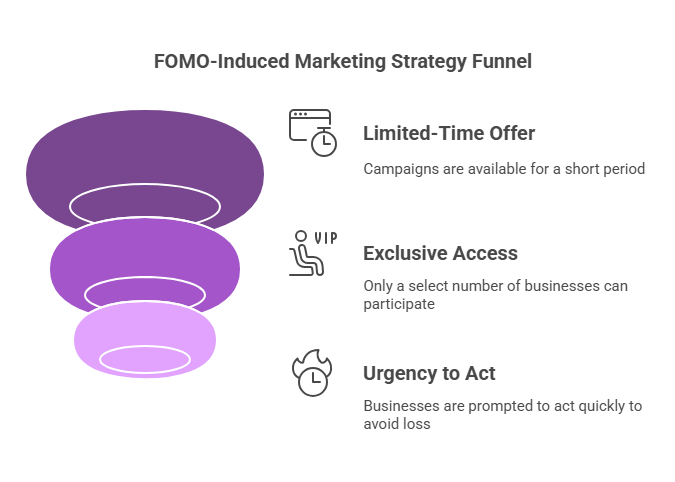
- The viral marketing secret your competition hopes you never discover
- This campaign template disappears in 24 hours
- Only 100 businesses will get access to this strategy
- Why waiting until tomorrow will cost you 50% more leads
Commitment & Consistency
Commitment and consistency are two of the most promising principles in marketing. People like to stay consistent with their past purchases, actions, and beliefs. Make your buyer take the first small step, something like signing up for a free trial, joining a newsletter, or engaging with a brand’s content. If they connect, they would feel compelled to move ahead in that direction.
Some low-risk entry points include “Start for Free,” “Take a Short Quiz,” or “Claim Your Free Sample.” Use these powerful phrases in your messages to build momentum. Most likely, your customers will follow through with larger decisions like purchasing or subscribing long-term.
These principles of commitment-based marketing encourage customers to set personal goals, participate in loyalty challenges, or track their progress within an app. One example of this could be a fitness brand offering “7-Day Habit Challenges” or a subscription service company providing “Your First Month for Free or $1.”
When customers commit for the first time, they’re more likely to continue. Based on their past experience, the next step to them feels natural. Commitment and consistency are psychology trigger hooks that drive conversions, boost retention, and increase overall profit, which is essential for business success.
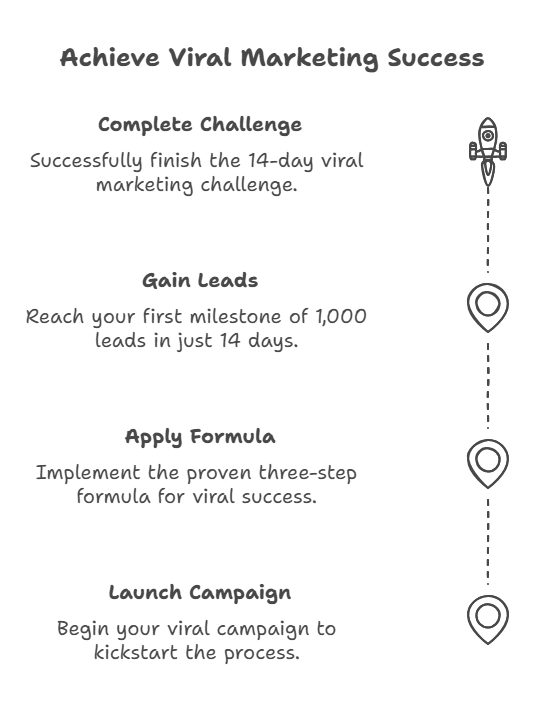
- Start your viral campaign today, see results by tomorrow
- The 3-step viral formula that never fails
- Your first 1,000 leads are just 14 days away
- Take the viral marketing challenge (14-day transformation)
Scarcity Mindset
The scarcity mindset triggers the psychological tendency as marketers assign higher value to things to make them perceived as rare or limited. They make consumers believe that a product, offer, or opportunity is in short supply. It builds a heightened sense of urgency or fear of missing out (FOMO). Incorporating this tactic into your product launch strategy can drive faster decision-making and significantly boost early conversions.
You can use phrases like “Only 3 Left in Stock,” “Offer Ends Tonight,” or “Limited Edition! Won’t Be Restocked” in your marketing material to drive quick purchasing decisions. Scarcity motivates hesitant buyers to act immediately as they start to fear losing more if they wait too long.
Some of the most effective scarcity marketing strategies include offering exclusive deals, waitlists, and early access perks. Make your discounts appear time-sensitive with messages like “Flash Sale: 24 Hours Only.”
Also, show them your limited-quantity product is dropping quickly to create a sense of exclusivity. Buyers feel privileged to secure the offer in a limited time.
You must have seen an airline promoting “Only 2 Seats Left at This Price” or an online course showing “Enrollment Closes Soon” in their ads. These are the examples of how scarcity mindset increases demand, speeds up decision-making, and maximizes profits.
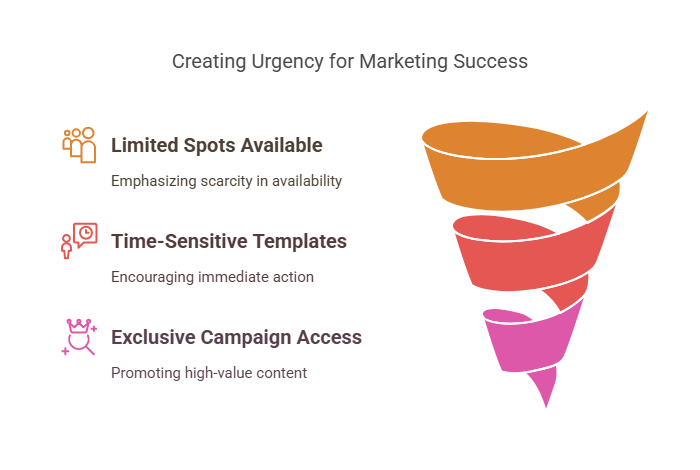
- Only 3 spots left in our viral marketing masterclass
- This viral template won't be free forever
- Limited-time access: Our highest-converting campaign setup
More Curiosity
Curiosity is a basic human drive. It inspires us to know what we are yet to understand. Curiosity compels potential buyers to click, explore, or learn more about the product or service. Open loops, teasing headlines, and eye-catching visuals are elements that help activate curiosity among the target group.
While writing email subject lines, landing pages, and social media posts, use phrases like “You Won’t Believe What Happened Next," “The Secret Strategy Top Brands Use,” or “What Most Businesses Get Wrong About Profit” to engage and add to their curiosity.
This is one of the most powerful psychology trigger hooks that combines benefits with emotional stakes. For example, 'Discover the One Tactic That Doubled Our Conversions' or 'This Tiny Change Boosted Our Revenue by 40%' keeps curious customers on the page longer. They flow in deeper into your funnel, resulting in improved sales, especially effective when promoting information products, where value and credibility drive conversions.
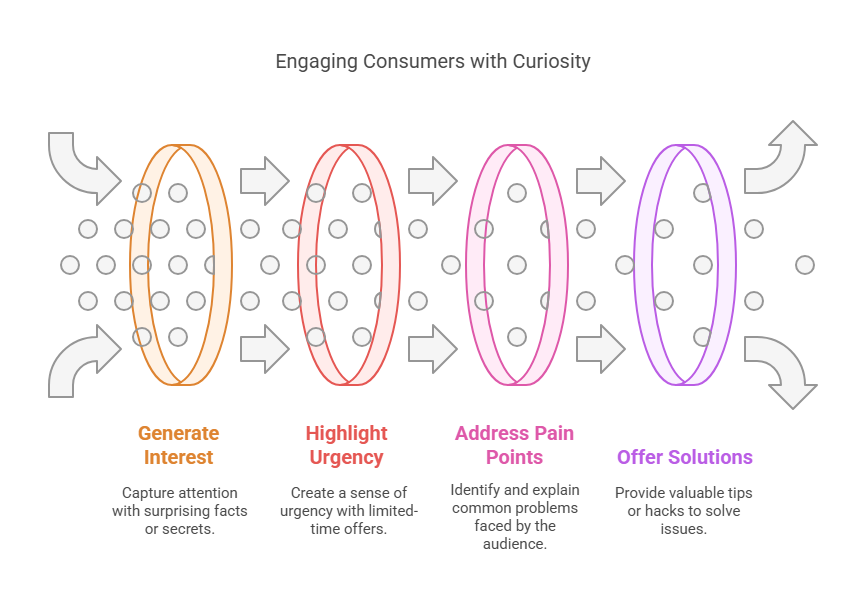
- The secret trick [your industry] doesn’t want you to know…
- Why everyone’s suddenly obsessed with …
- I tried [X] for 7 days—here’s what happened.
- The real reason your [common problem] isn’t working.
- 90% of people do this wrong. Are you one of them?
- This hack will save you $1,000/year.
- What happens when you stop [common habit]?
- No one talks about this [industry] secret…
- Your competitor is already doing this.
- This deal ends in 24 hours—don’t say I didn’t warn you.
- The #1 mistake people make before buying .
- Only 3 left in stock—and here’s why.
- Why you’ll regret not trying this by 2024.
- Going viral cost me [X]… but here’s how you can do it for free.
Question Hooks
Question hooks are important for marketing because they immediately engage the reader’s brain. Craft a question with a personal touch to spark curiosity and encourage introspection. They start to feel how the message applies to them.
For example, send your target customer a message like “Struggling to Increase Sales?”, “What’s Stopping You from Hitting Your Profit Goals?”, or “Ready to Double Your Conversions?” Such messages directly address their pain points and desires.
With the right question, you can build an emotional connection and set the stage for your product or service as the solution. Use question-based trigger hooks in your headlines, email subject lines, or ad copy to boost click-through rates and engagement.
Question hooks focus on your buyer’s needs, making it feel less like a sales pitch and more like a conversation. Question hooks like “Are You Making These Common Marketing Mistakes?” or “What Would You Do with 3x More Leads?” prompt action, encourage deeper interest, and drive higher conversions.
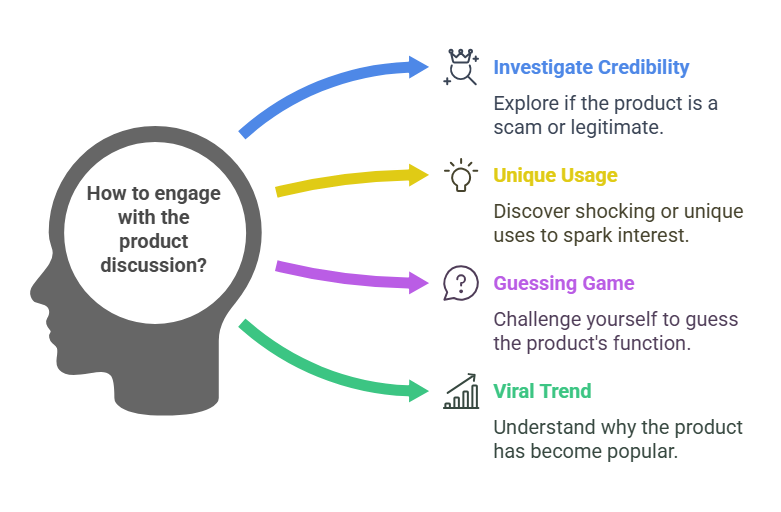
- Is a scam? Let’s find out.
- Would you try this? [show shocking/unique product use]
- Can you guess what this does? 99% fail.
- Why is this suddenly everywhere?
- What’s the weirdest way you’ve used ?
Controversy & Drama Hooks
Controversy and drama hooks disrupt the scroll and demand the attention of the present-day consumer. People like conflict, debate, and bold opinions on the internet. Post content to challenge a norm, question an industry standard, or make a polarizing claim to spark curiosity and emotional engagement.
Headlines like 'Why Most Marketing Advice Is Dead Wrong,' 'The Harsh Truth About Your Sales Strategy,' or 'This Common Business Practice Is Killing Your Profit' would work best for your blog posts. Try to provoke strong reactions with your content. People would want to read more, agree, argue, or share. This approach can be especially powerful for a franchise business, where bold, thought-provoking content helps establish authority across multiple locations and draws in a wider audience.
Controversial marketing tactics give your brand the essential visibility, create buzz, and position it as bold and unafraid to speak the truth. With drama, offer value, fresh insights, a unique stance, or call out industry fluff.
Every dramatic social media post, blog title, or video hook captures attention, increases time spent on your page, and drives stronger engagement and conversion rates.
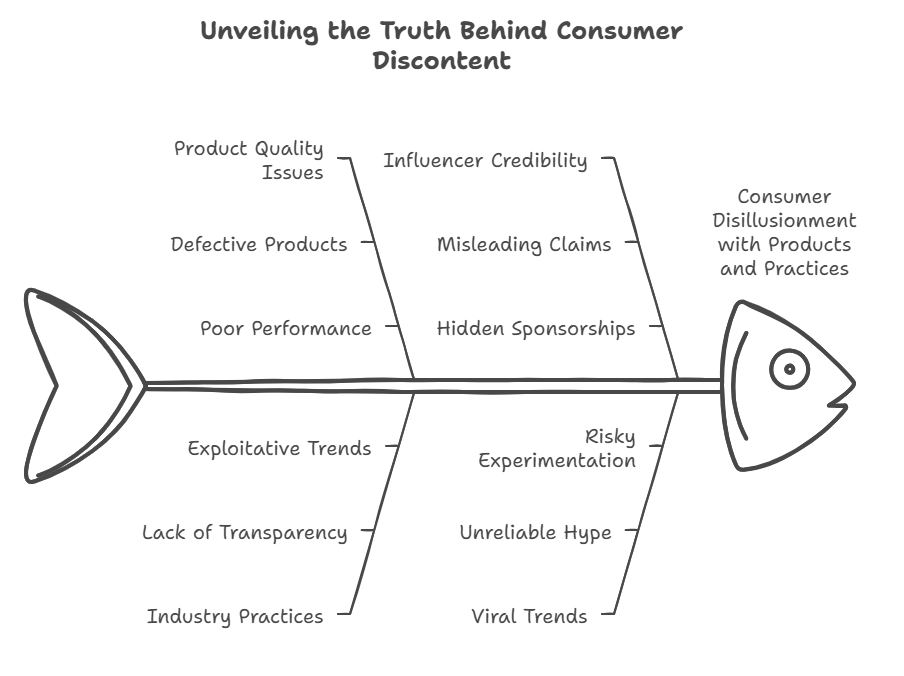
- Why I’ll never buy [competitor product] again.
- Why I’ll never buy [competitor product] again.
- The dark side of [trendy industry practice].
- Influencers are lying about [X]. Here’s the truth.
- We tried [viral trend]… And it was a disaster.
Humor & Relatability Hooks
Much like controversy, humor and relatability hooks also break down barriers. Your brand feels human and instantly connects emotionally with the end user. Tell a joke to make your target customer stop scrolling and engage.
Use phrases like “Still Googling ‘What is ROI?’”, “When your ad budget disappears faster than your weekend,” or “Marketing so good, even your ex would come back” to tap into shared feelings, frustrations, and moments of levity.
Relatable marketing hooks work well on social media and in email campaigns. Your authenticity mixed with humor disarms skepticism and builds trust. You can make fun of industry jargon, highlight everyday business struggles, or add a clever twist to your offer. Pairing this approach with social proof in marketing, like customer testimonials or real user results, amplifies credibility and encourages more people to engage and convert.
Humor makes content more memorable and shareable. Use it not only to entertain but also to drive clicks, conversions, and long-term loyalty.
- When you realize [funny problem your product fixes]
- POV: You’re a in someone’s cart rn.
- How it feels to use vs. [competitor].
- Me before vs. after . [add chaotic split-screen]
- When your friend says is ‘too expensive’…
How-To & Life Hack Hooks
How-to and life hack hooks work well by promising instant value and practical solutions. It's like offering people ways to do things faster, smarter, or with less effort. These psychological trigger hooks help get the best out of headlines like “How to Boost Your Sales Without Spending a Dime,” “The 5-Minute Hack to Write High-Converting Copy,” or “How Smart Marketers Are Doubling Profits with This Simple Trick.”
How-to's and life hacks give the audience clarity on making something useful and actionable. When writing blogs, social media posts, emails, and video scripts, you should consider these hooks to trigger curiosity and offer a clear benefit.
By offering life hacks, you can position your product or service as the shortcut to success. How-to content, on the other hand, builds authority and trust. Teach your audience how to automate a task, avoid a common pitfall, or get more done in less time.
Use how-to and life hack hooks to engage the audience and subtly guide them toward a purchase.
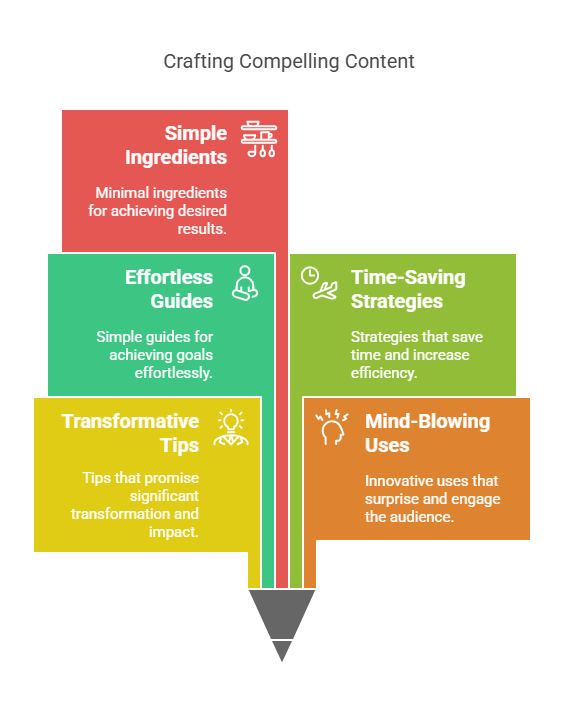
- How to turn 10into1,000 with .
- 3 ways to use that’ll blow your mind.
- The lazy girl’s guide to [industry goal].
- How I [goal] in half the time.
- You only need 2 ingredients for this [result].
Testimonial & Proof Hooks
Testimonials and proof hooks help build trust by displaying real results from real people. They not only boost credibility but also lower buyer resistance. Show your potential customers how others are achieving success with your product or service.
Testimonials give the necessary social proof to reinforce how your offer delivers on its promise. Use phrases like “I Made $10K in 30 Days Using This Strategy,” “This Tool Cut Our Workload by Half,” or “Here’s What 1,000+ Happy Customers Are Saying” to grab customer attention.
Backing your claims with evidence in your emails, landing pages, or social posts can boost engagement and conversions. Quote specific outcomes and add photos or video snippets to your marketing material to add authenticity and emotional appeal.
Don't hesitate to share a screenshot of results, a compelling before-and-after, or make a bold claim. Add valuable data to your content to remove doubt and make it easier for buyers to say yes.
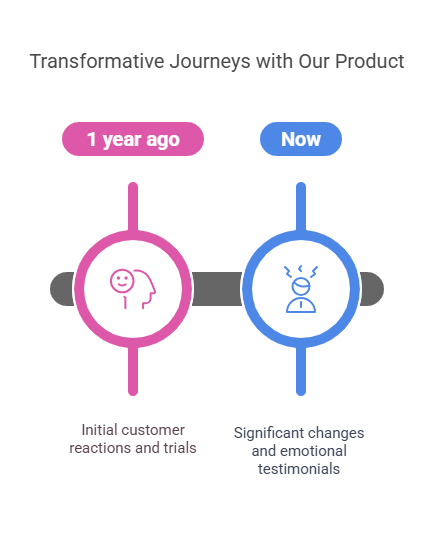
- Watch this before-and-after in 5 seconds ⏱️
- We asked 100 people to try . Their reaction? ????
- 1 year ago vs. now—this changed everything.
- This customer DMed us crying—here’s why. ????
Trend-Jacking Hooks
Trend-jacking hooks make you become part of what people are already talking about. It adds relevance to your content, making it go viral. Never miss a chance to post about current events and pop culture moments. Publish trending memes to ride the wave of attention and plug in your brand’s personality.
Some examples of this could be “What Taylor Swift Can Teach You About Customer Retention,” “If ChatGPT Were Your Sales Coach…” or “We Tried the Viral Productivity Hack, Here’s What Happened.”
By joining the trend, you can post fresh and clickable content that perfectly fits into the feed of your audience. Don't overdo it. It's not about being funny or topical. Write your content smartly to boost visibility and connect with your audience in real time.
Brands that react quickly to trending moments remain relevant and agile in a highly competitive market. Talk about a hot industry update, share a meme, or start a viral challenge to engage and attract new followers.
Your conversations can turn into conversions if you jump on a trend while it’s hot.
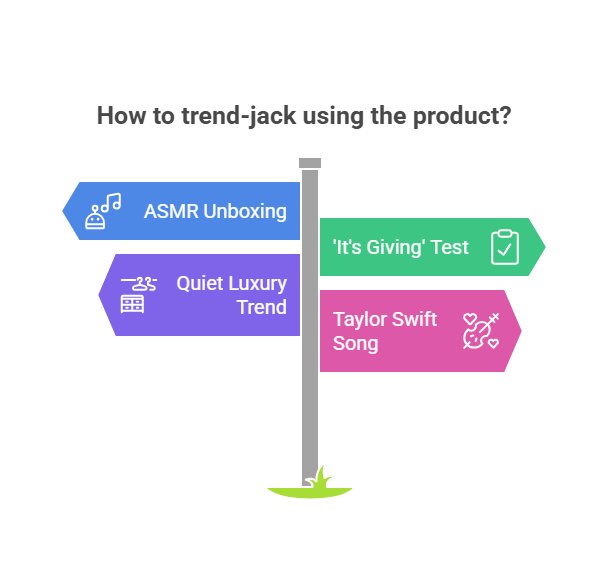
- POV: You’re a being unboxed. [ASMR style]
- We put to the ‘it’s giving ___’ test.
- Trying the ‘quiet luxury’ trend with .
- If were a Taylor Swift song, it’d be…
Relatable Pain Points
Relatable pain point hooks emphasize the struggles of your audience. It helps them relate to their exact frustrations. Reflect the right pain points in your copy and make them stick around to hear the solution.
Use phrases like “Tired of Spending Hours on Marketing That Doesn’t Convert?”, “Sick of Leads That Never Turn Into Sales?”, or “Burnt Out from Doing Everything Yourself?” to address real problems with empathy and clarity.
Psychological trigger points based on pain points develop instant connection and encourage your audience to take action. Before thinking about your product, plan how you can offer relief, progress, or transformation.
It works like magic when you relate to your audience's pain and show them how your offer takes it away.
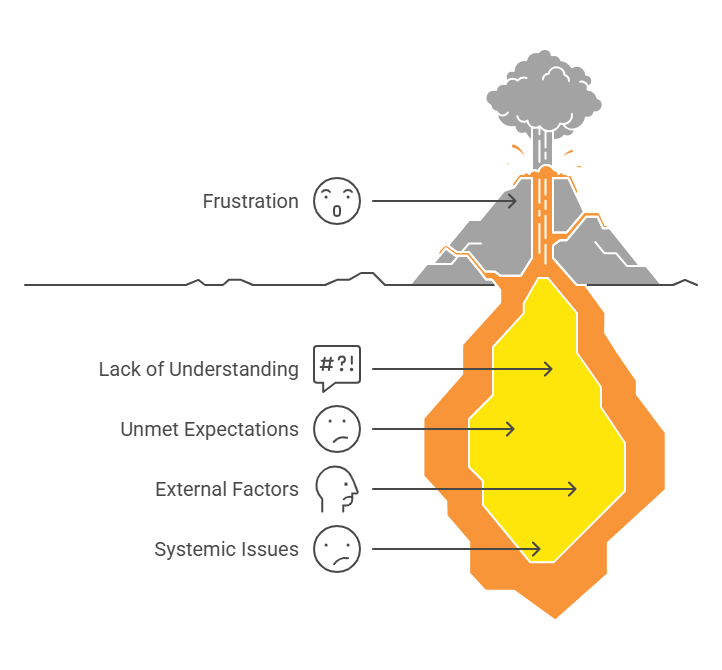
- When you’re tired of [common frustration]… we get it.
- You’re not bad at [task]—you just need this
- Why does [problem] always happen at the worst time? ????
- Your is supposed to do this… right?
Shock Factor Hooks
Shock factor hooks sound disturbing, but they jolt your audience enough with bold, unexpected, or even slightly outrageous statements. It's the quickest way to grab attention by challenging assumptions, exposing uncomfortable truths, or dropping surprising stats.
Use sentences like “Your Website Is Costing You More Sales Than You Think,” “90% of Marketers Are Doing This Wrong—Are You One of Them?,” or “This One Mistake Could Be Killing Your Profit” to provoke curiosity and urgency among your ideal customers.
Shock-based hooks trigger emotions to drive clicks, shares, and conversions. Talk about industry flaws, reveal hidden risks, or disrupt common advice to make your message stick. Deliver real value, avoiding clickbait and backing your claims with insight to build authority and trust. This approach also helps you validate your ideas quickly by gauging what resonates with your audience and sparks meaningful engagement.
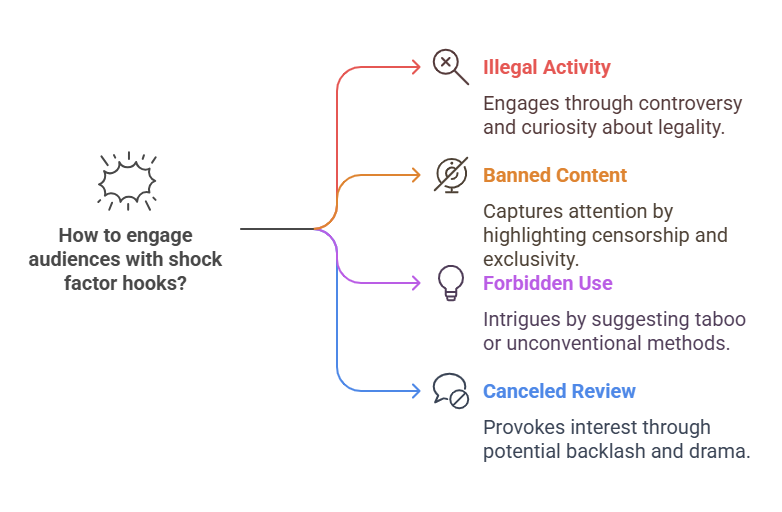
- We did something illegal with … ????
- This video got banned—here’s why.
- The forbidden way to use .
- This review got me canceled.
Mystery & Storytelling Hooks
Mystery and storytelling hooks trigger curiosity and emotional investment by wiring humans for stories. Start your marketing with a mysterious setup or tell a compelling narrative to create an open loop the brain needs to close.
Some examples of this could be “She Was Ready to Quit—Until This One Strategy Changed Everything” and “We Spent $0 on Ads and Still Tripled Our Sales. Here’s How…,” or “What Happened Next Shocked Even Us.” Tease your audience enough to keep them wanting more.
Psychological trigger hooks mixed with story help you transform a pitch into an experience. Talk about your audience's struggles and make them stick around for the solution. The key here is that your story must feel real, relatable, and tied directly to the transformation.
Build a connection with your product or service and drive conversions by showing what’s possible.
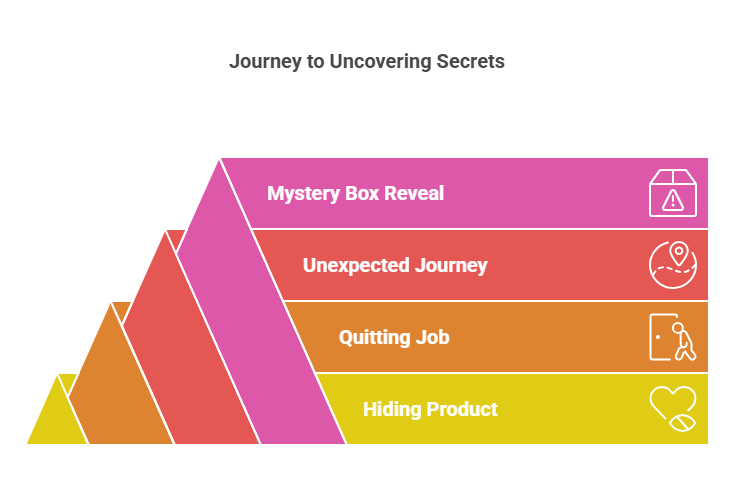
- We hid in a random store. What happened next? ????
- Day 1: I quit my job to sell . Here’s what happened
- We hid in a random store. What happened next? ????
- The 0-to-100K journey nobody talks about.
- What’s inside this box? Even we didn’t expect this.
How to Use These Psychological Trigger Hooks
Use these 82 psychological trigger hooks strategically to guide your customers' purchasing decisions, reduce hesitation, and maximize conversions. Next time, don't forget to frame a price as a '$500 value, now only $199' or emphasize 'Only 3 spots left!' to leverage cognitive biases to ensure higher engagement and increased profits. A solid business analysis can help identify which hooks perform best across different channels and customer segments, allowing you to refine your strategy for even greater results.
- Replace [brackets] with your niche/product.
- Add emojis/trending sounds for extra engagement.
- Test 3-5 hooks per video to see what resonates!
BONUS: Tailored Strategies for Every Platform to Boost Your Reach and Revenue
The above-discussed 82 psychological trigger hooks work differently on every platform. You might see a hook dominating Instagram but failing to grab attention on LinkedIn. Therefore, you must tailor your strategies to match the mindset, expectations, and behaviors of users on each social media platform.
For example, storytelling hooks and relatable pain points will be best to drive conversation on Facebook. Instagram users will be engaged with curiosity, shock, and visual drama. LinkedIn demands authority-building proof hooks, question hooks, and problem-solving content from you.
YouTube, on the other hand, will be best optimized with longer-form how-to hooks, life hacks, and story-driven insights. Now that you know how to pull viewers into the next piece of content, scale your brand's presence (and profit) by adjusting your messaging according to each platform.
With our platform-specific hooks, capture the attention of your readers and convert them into paying customers. Develop a hook strategy based on platform psychology to launch a product, scale a service, or build a loyal community.
- TikTok/Reels: Start with “Wait for it…” or “Let me explain why this went viral.”
- YouTube Shorts: Use “This will change how you [action] forever.”
- LinkedIn: Try “The [industry] hack I wish I knew sooner.”
Want to master these strategies and more? Join the Business Acceleration Club by BoostMyProfit. It's your gateway to advanced training, battle-tested tools, personalized coaching, high-impact seminars, and a powerhouse community of like-minded entrepreneurs.
Join BAC now and start building the business momentum you’ve been chasing.
Frequently Asked question's
Trigger words are usually emotionally charged and aim to evoke strong feelings, reactions, or memories. Such words help influence the behavior and decision-making of potential customers.
The hook method uses compelling stimuli in psychology. It works on curiosity, fear, or reward to grab attention quickly and keep the end user mentally engaged.
While both terms are used interchangeably, triggers are slightly different as they spark an emotional or behavioral response. Triggers work on a subconscious level, while a hook deliberately captures attention and draw someone in.
A message like, “Imagine losing everything overnight, then fighting your way back,” can help you tap into the fear, resilience, and curiosity of the potential customer.
Mental hooks are based on memories. It can be a memorable idea, phrase, or story that sticks in the mind. Such messages keep your message top-of-mind long after exposure.
A strong hook sentence instantly grabs attention. For example, a message like, You’re losing money every day, and here’s why, can help you get more clicks.