Launching a new product or service is like orchestrating a high-stakes theatrical performance. You come under the spotlight with expectations rocketing sky-high. The product launch is a make-or-break, resulting in resounding success or crushing failure.
After pouring your heart, soul, and considerable resources into creating a remarkable product, the onus lies on the product launch. It should be meticulously planned and flawlessly executed for maximum return on investment.
5 Keys to Build a Robust Product Launch Strategy
Setting Unambiguous, Measurable Goals

Your product or service launch could have any of a number of different possible goals. The goal may simply be to sell and earn a profit. Or, you may hope to spread brand awareness, bring new prospects into your sales funnel, or learn more about your target market through this engagement with them.
Start with the end result you have in mind for your product launch. Decide what result you'd like to achieve, and all of the other details will follow. Although you may have many things you hope to achieve, focus on just one goal as the main objective.
It's tempting to chase multiple objectives simultaneously, but a focused approach yields far greater results. Select one primary goal that will serve as the guiding star for your entire new product launch strategy.
Launch strategy goals should be clearly stated, and they should be somehow quantifiable. If they aren't, you'll have no way to measure your success. How will you know if you've reached your goal without the numbers? For example, you may hope to make X amount of money, gain X new prospects, or see X number of comments or shares on social media.
You should also attach a deadline to each goal. By what time do you want to reach your end goal? Try to make this as realistic as possible, but remember that it's often difficult to predict. You can also adjust your goal once you get started if it looks impossible.
For example, if your ultimate goal is to use your product to gain subscribers to your email list, you may make your goal something like:
- To gain 300 new email subscribers who are qualified buyers by one month after product launch.
Market dynamics are unpredictable, so be prepared to adjust your goals as needed. This flexibility is a hallmark of a well-structured launch planning process.
Identifying the Ideal Product-Market Fit

The success of your product launch depends on choosing the "right" product for the "right" market. Although this seems obvious, how exactly do you go about doing this? This is where a strategic new product launch strategy becomes indispensable.
The right product for any market is one that solves the problems of that market's members in a unique way.
Your product needs to address a need or solve a problem. Identify a difficulty your target market's members face. How can you develop a product that will remove this difficulty in order to make life easier, more pleasant, or more prosperous for them? Products often address this need by allowing people to do something better, faster, cheaper, or more efficiently.
The other part of the above definition is that your product needs to offer a solution in a unique way. What this means is that it solves the problem your customers face in a way that no other product (or few products) on the market do. Otherwise, your customers could simply buy somewhere else. The more unique your product, the more likely it will sell. This uniqueness is the lifeblood of a compelling launch marketing campaign.
A product can be unique in the way it works or the specific benefit it offers. It can be unique by targeting a very specific problem your customer faces or targeting a specific demographic of the market that others aren't catering to.
Launching a brand requires a multifaceted approach. You also need to make sure that your product is priced appropriately.
Give this some thought and conduct some research on your market and competitors. Whatever you do, don't settle on a product that you're not sure about. The quality and uniqueness of your offer are truly the core of the successful product launch. No amount of marketing will make up for a poor product. After purchase, your customers will talk, and if your product doesn't live up to its promises, your reputation will suffer.
A truly successful product launch addresses a pressing need or solves a significant problem for its target audience. It offers a unique value proposition that distinguishes it from competitors.
You can use an entrepreneurial operating system to get clear on your vision and ensure the right people are in place. Conduct thorough, data-driven market research to understand the pain points of your potential customers. What challenges do they face? How can your product alleviate these challenges? Identifying and addressing these issues early supports a smoother process and builds long-term traction.
Cultivating Market Awareness

Much of the period of buildup before a product launch is devoted to creating market awareness. The idea is to spread the word about your product in the pre-launch marketing and build up such excitement that when the big day comes, you'll see sales go through the roof.
To make this effort more effective, use customer segmentation to tailor your messaging to specific audience groups, ensuring each segment feels directly spoken to and more compelled to engage.
First, create a message for your product. Your message should convey your product’s unique value, how it solves customers’ problems, or how it makes their lives easier. If you've already selected a product that uniquely solves problems, you have your work cut out for you here. You have to decide how you're going to tell this to your target market.
You need to identify your target market and figure out where you can reach them. Identifying your target market involves creating a detailed persona that describes them both demographically and in terms of psychology and buying habits. This helps you refine your message so it's custom-tailored to them. It also helps you identify where and how to reach them. This is a core part of launch planning.
There are many places to find your target market, both online and off. A well-crafted product launch press release can amplify your message and reach a wider audience.
Online, you should start with your official website, blog, and social media profiles. Most companies choose to create a special website devoted to their product launch and sometimes special blogs and social media accounts also. Drive traffic to these places and engage with your audience there.
Social media is particularly helpful to promote your new product launch. If you already have an audience there, you can tell them about your launch and the other sites you've created where they can find out more information about it.
Another great place to promote your launch is your email list. A well-timed email campaign can significantly boost your new product launch success. If you have an email list full of subscribers who have already bought from you before or are engaged with your brand, you have a list of good prospects who are ready to listen to your message.
Although you can launch a product successfully using the internet only, it's also good to promote it offline. If you have a store, tell customers. Go to events in your area and prepare print marketing materials to give out to people. Attend industry events, host product launch events, and distribute print marketing materials. You can use direct sales methods such as cold calling as well.
The key here is to work around a robust launch strategy to reach both existing customers and new people who are likely to buy your product.
Meticulous Planning

In addition to promoting your product, the pre-launch phase is your chance to plan and make sure everything is set up long before the actual launch.
Defining your ideal customer profile early helps guide those plans, ensuring your strategy is built around the needs and behaviors of the people most likely to buy. There are many moving parts, and the earlier you start planning, the better. This is where a comprehensive product release strategy shines.
Things to plan include:
- A schedule of content that you will produce to promote your product. You need to create both sales and informational content to get to potential buyers through your various marketing channels.
- Training and materials for your affiliates, distributors, or other partners who are helping you sell the product.
- Tech aspects like your website's shopping cart or your delivery system. You should test these so that they're ready to go and there won't be any problems.
- Getting feedback from your customers before the product launch so that you can make the necessary changes. You can give out free samples to get opinions or hold a "soft launch" for a select group of people.
- Customer service. Your customer service system needs to be in place and fully functional before the launch. You'll definitely have questions, concerns, problems, and complaints, and you need to be ready to deal with them.
- Your plan for after the product launch. After the launch, you'll need to follow up with customers, revise your marketing materials and information resources, monitor the results of your launch, and continually promote your product to maximize future sales even as the rush of launch-day sales has died down.
- Your marketing budget. Take into account all of the expenses you'll face throughout the product launch cycle and add a bit more for good measure for unexpected expenses.
- Protocols for documenting every aspect of the process. This is important because you'll be able to better understand exactly what happened afterward, including both your successes and failures, so that you can learn from them.
- Protocols for communication. It's vital that all partners and team members know how, when, with whom, and about what to communicate. This is especially vital for the launch itself.
- Create a comprehensive launch schedule that outlines every task, milestone, and deadline. A "big picture" schedule of all of your milestones, tasks, deadlines, and anything else you need to know about. Plan out the launch day to the minute to include everything you have to do.
Ensuring Product Readiness and Flawless Execution

Make sure that you have enough of your product on hand and that it can be easily delivered to the customer. A successful product launch will lead to a rush of sales on the day of the launch and days after.
One of the biggest mistakes companies make is that they don't have a backup plan in case sales exceed their expectations. If you have more orders than you can handle, this can lead to major problems for your customers. To maximize your business revenue, it's essential to prepare for both average and high-demand scenarios so you can capitalize on every sales opportunity without compromising customer experience.
Launching a brand or introducing a product is a high-stakes endeavor. You also need to make sure your delivery system is functional and fast. Test it and work out any kinks long before your product launch.
Sometimes, your products may be created during delivery. This is often the case with services such as live training. If this is your situation, make sure that you are capable of handling it if orders exceed your expectations.
Alternatively, make it clear that there is a limit to the number of orders, and then plan for how you’ll handle things if you reach the limit before the launch time is over.
What If Your Launch Is a Disaster?

Launching a new product is exciting but also very stressful. There are many little things that can go wrong and often do. You may know someone or some product that had a disastrous launch, and this may keep you up at night hoping things go as planned, but here are two things to consider.
First of all, if you plan ahead adequately, your launch will not be a disaster. There may be some things that go wrong or little hitches along the way leading to momentary panic, but if you've put in the time and prepared well, your launch can be safeguarded against disaster.
But also, every little thing that goes wrong on a product launch is a valuable lesson.
Companies that are experts at launching one successful product after another can do so because they've learned through trial and error. Each mistake or failure along the way was chalked up to a learning experience, and they made the necessary changes for the next launch.
Your first launch won't be perfect, but if you're open and ready to learn, you'll come away from it with many ideas (and hopefully some essential profit) to make your next launch better.
Plan your product launch well, and you'll avoid major mishaps. Learn from your launch's successes and failures, and you'll inch closer to being a product launch expert.
5-Step Essential Product Launch Cheat Sheet
A great deal is at stake when you launch a new product. You want things to go smoothly to maximize profit. A well-executed launch can drive massive profits, while a misstep can set you back significantly. Follow these five essential steps to ensure a smooth and successful launch:
Set Clear Goals and Objectives
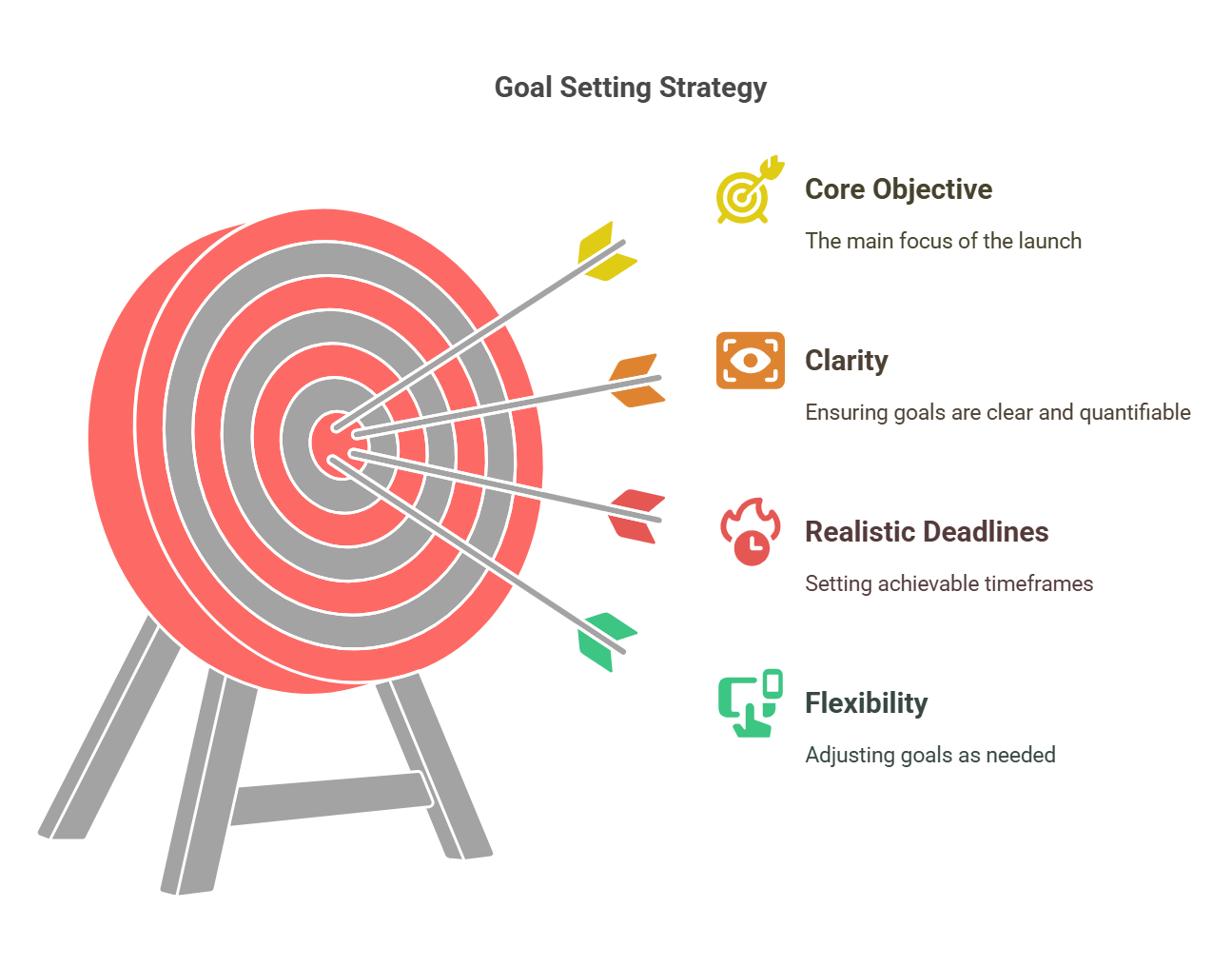
- Your launch might have many different goals
- Start with the end result in mind
- Focus on one goal as the main objective
- Goals should be clear and quantifiable
- Attach a deadline to each goal but make it realistic
- You can adjust your goal later on
Determine the “Right” Product
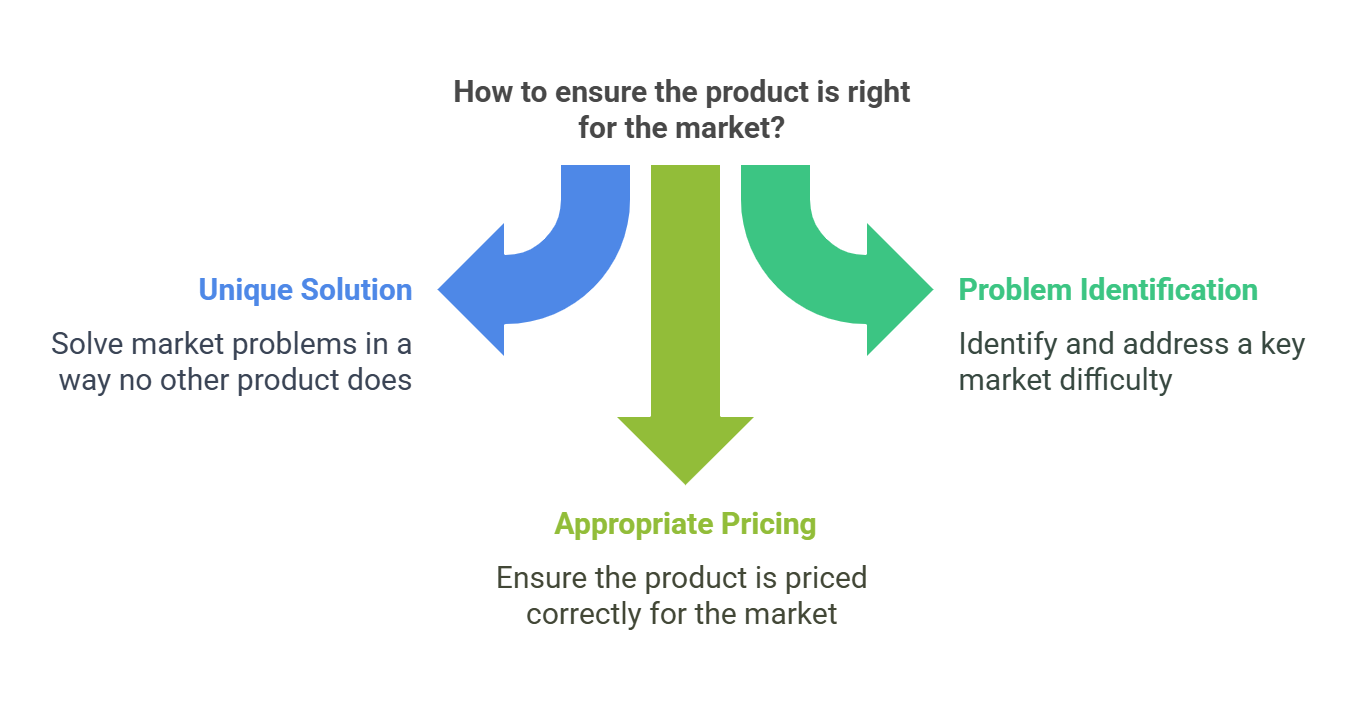
- Success depends on the right product for the right market
- Solve market problems in a unique way
- Identify a difficulty your market faces and remove it or make it easier
- Solve problems in a way that no other product does
- This could be in the way it works or a specific benefit
- Make sure it’s priced appropriately
Create Market Awareness
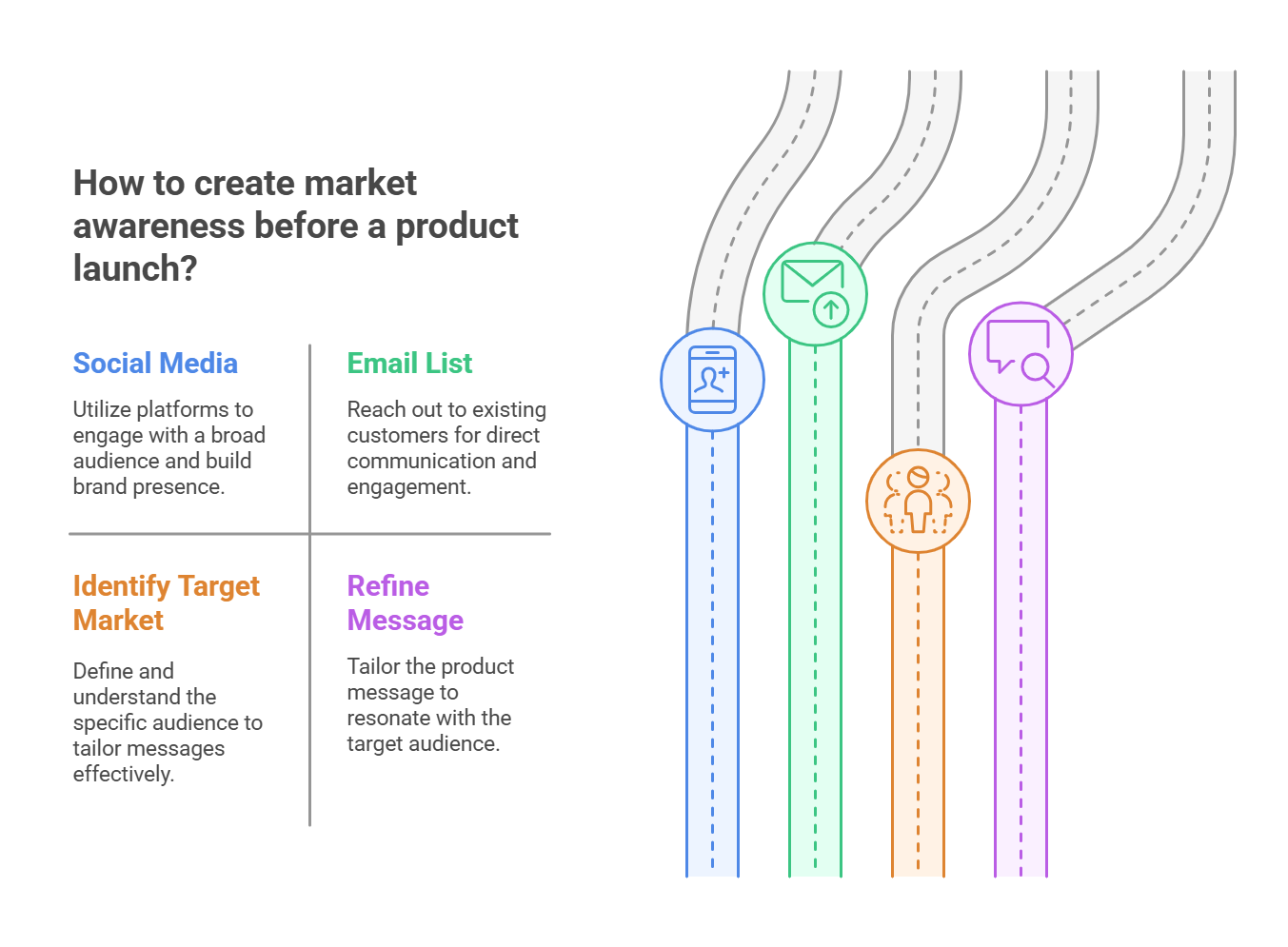
- Most pre-launch time should be devoted to market awareness
- Create a message for your product
- Tell them the problem you intend to solve and how
- Identify how to reach your target market
- Refine and tailor your message directly to them
- Find your target market both online and offline
- Social Media is a great place to start
- Also utilize your email list to let people know about your launch
- Reach out to both existing customers and new people
Plan EVERYTHING
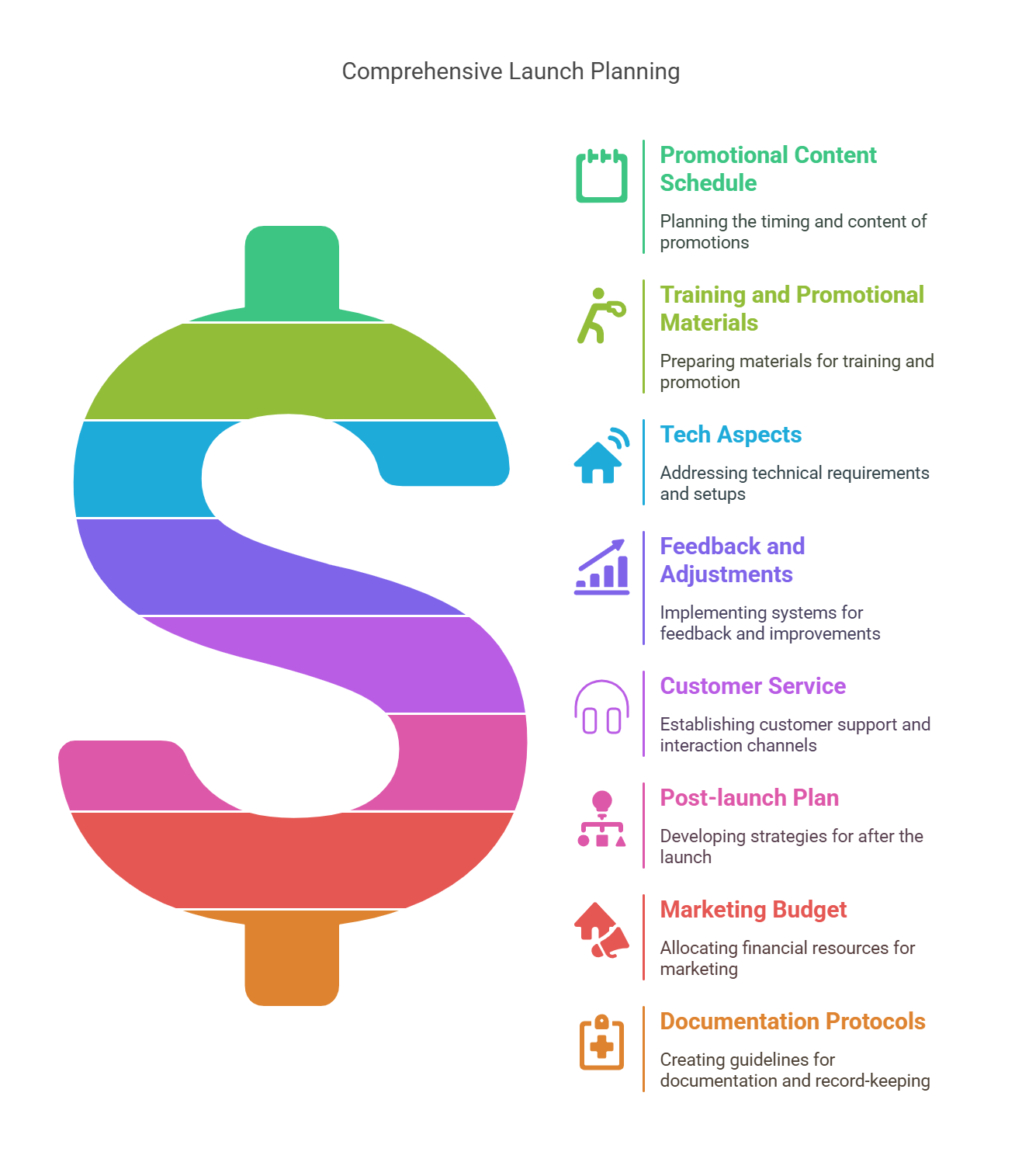
This is your chance to plan and make sure everything is set up. Things to plan include:
- A promotional content schedule
- Training and promotional materials
- Tech aspects
- Feedback and adjustments
- Customer Service
- Post-launch plan
- Marketing budget
- Documentation protocols
- Communication protocols
- ‘Big Picture’ Schedule
Make Sure Your Product is Ready
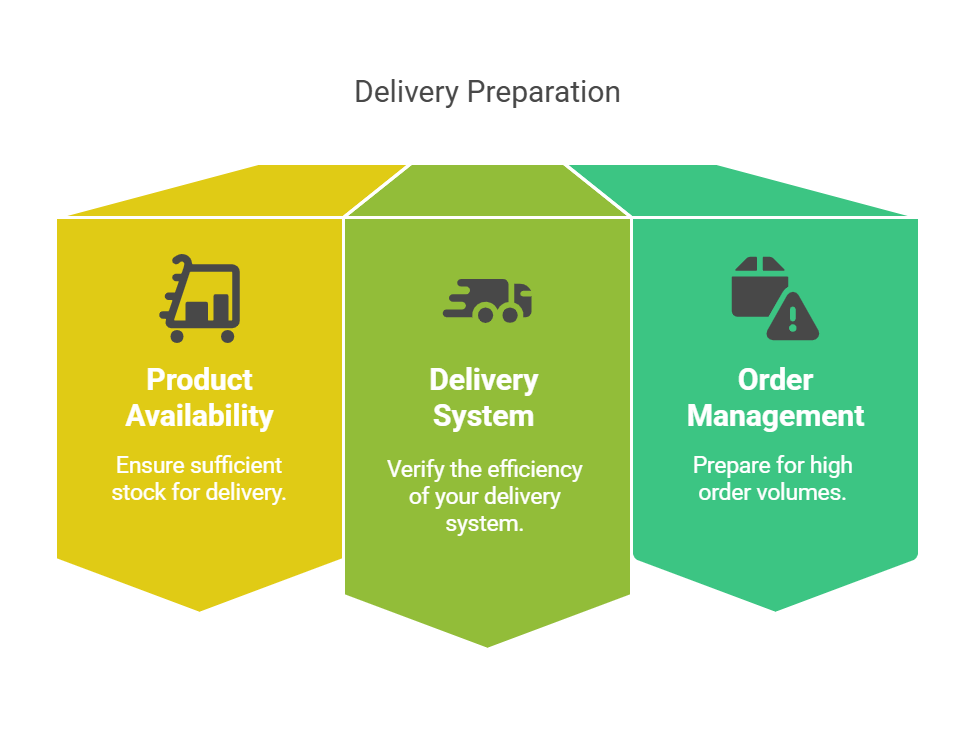
- Make sure you have enough of your product and it can be delivered easily
- Make sure your delivery system is functional and fast
- Make sure you can handle orders that exceed your expectations
What if Your Launch is a Disaster?
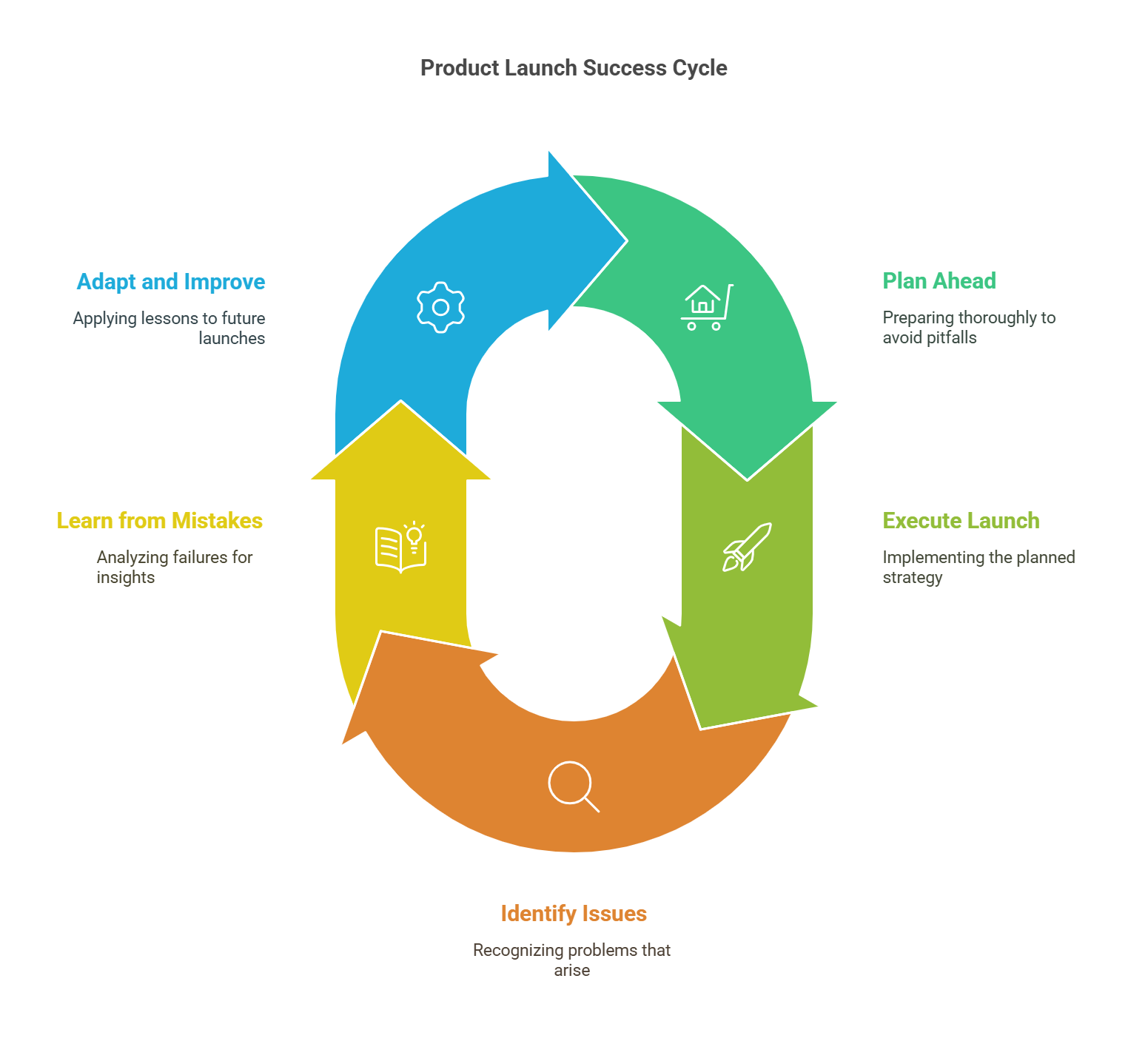
- Launching a product is exciting but stressful
- There are things that can go wrong and often do
- If you plan ahead of your launch, it won’t be a disaster
- Something may go wrong, but if you prepare you can safeguard against disaster
- Everything that goes wrong is a valuable lesson
- Learn and make changes for the next launch
- Be open to learning and new ideas
A profitable product launch isn’t just about having a great idea. It’s about executing the right strategy at the right time. By focusing on market research, strategic positioning, compelling messaging, optimized pricing, and a well-planned marketing push, you can turn potential flops into undeniable successes. But if you want expert guidance to ensure your launch maximizes profitability, we’re here to help.
Request a free strategy session with BoostMyProfit, a no-obligation consultation where we’ll analyze your needs and recommend the best path forward. Whether you’re launching a business, product, course, book, or campaign, our expertise can make all the difference.
Frequently Asked question's
A product launch is an event of introducing your new offerings to the market. It starts with planning before marketing to build hype and concludes with the launch of the product. It's the most effective way to grab attention, drive sales, and set the foundation for long-term success.
Seven stages of a successful product launch include market research, defining the target audience, messaging and positioning, building buzz with pre-launch marketing, following a timeline, executing the product launch, and analyzing and optimizing the product after the launch.
Product Launch's 4Ps include product, price, place, and promotion. The concept emphasizes what you're offering to solve the problem, what the price is, the distribution channel of the product, marketing, and generating awareness.
Even though it depends on your launch strategy, stage 5 in a traditional setup is considered the execution phase. It's when your product goes live, marketing campaigns run, emails are sent, and users click on your landing pages to interact with the product.
A launch strategy outlines your product's introduction plan based on market goals, target audience, marketing tactics, timelines, and monitoring.